
If your doctor has recommended a chest port — or if you’ve just had one implanted — you probably have questions. What exactly is it? How does it work? And what can you expect going forward? This guide is written from a patient’s perspective to help you understand what’s ahead.

A chest port (also called a portacath, implanted port, or subcutaneous port) is a small medical device placed beneath the skin, usually on the upper chest. It consists of two parts: a small reservoir (the port itself) and a thin, flexible tube (catheter) that connects the port to a large vein near the heart. The device is surgically implanted in a relatively quick outpatient procedure.
Chest ports are used when a patient needs repeated access to their bloodstream over weeks, months, or even years. Common reasons include chemotherapy for cancer treatment, regular IV infusions for autoimmune conditions, kidney dialysis, parenteral nutrition, frequent blood draws, and long-term antibiotic therapy. Instead of finding a new vein for each needle stick — which can be painful and increasingly difficult over time — a port provides a single, reliable access point.
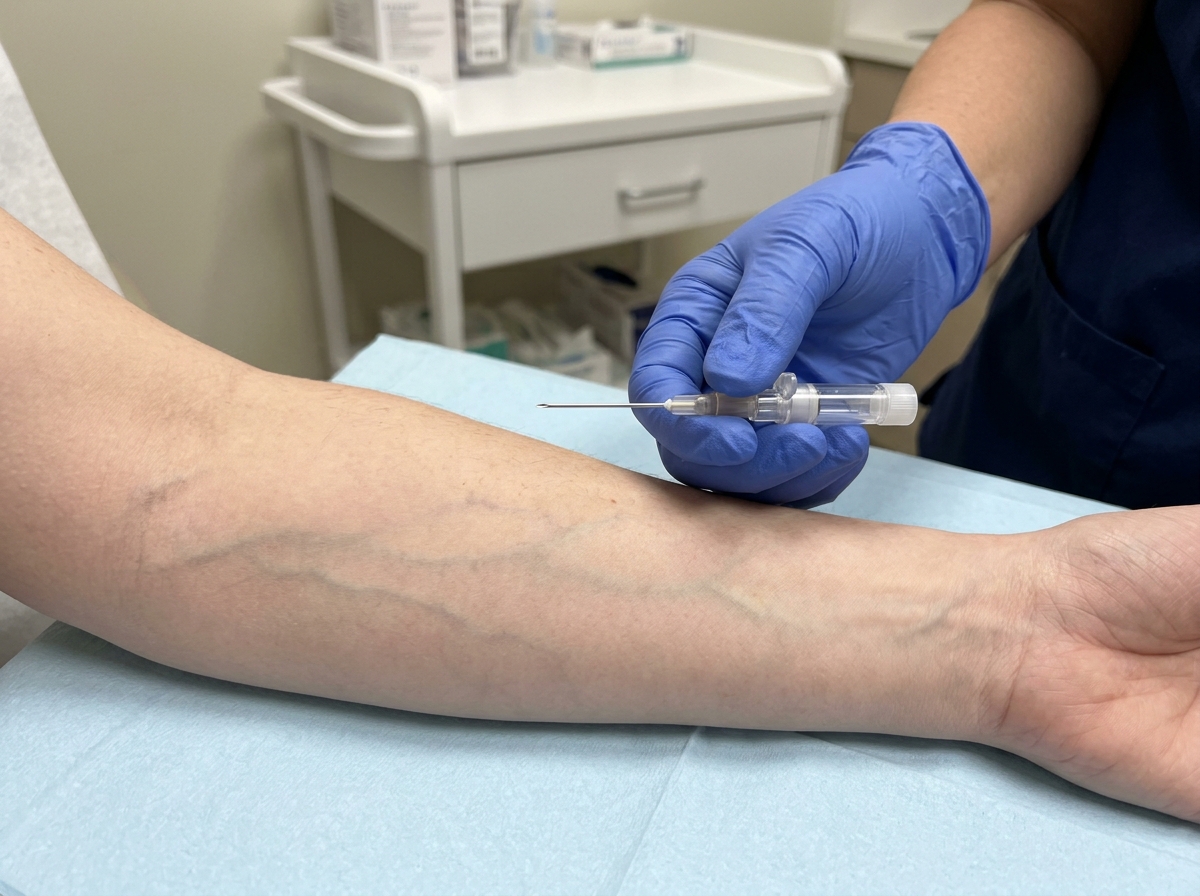

When it’s time for treatment, a nurse inserts a needle through the skin above the port and into the reservoir. This is called “accessing” the port. Many patients describe a pinch, a sharp sting, or pressure at the site. For some, especially those with scar tissue buildup from repeated access, it can be quite painful.
This is where numbing cream comes in. Most healthcare providers recommend applying a topical anesthetic like lidocaine or prilocaine (requires a prescription) 30 to 60 minutes before your appointment. The challenge has always been keeping that cream in place. Plastic wrap is messy and unreliable. That’s why Port Protect was invented — to hold the cream securely over the port, so it actually works when you need it to.
A chest port is largely invisible once the incision heals. You can shower, sleep, and go about most daily activities normally. You’ll notice a small bump under the skin where the port sits. While the port itself doesn’t typically cause discomfort, the repeated access process is something most patients learn to manage over time. Finding the right numbing routine makes a significant difference in your overall treatment experience.
Port Protect was designed by a patient who lives with a chest port every day. We understand the small anxieties and frustrations that come with this part of treatment — and we’re here to make it a little easier.

Nice product. Worked well. Way better than plastic on my chest.
Service was excellent! It has made my treatments and port access so much easier — even for the nurses. Thank you!
The quality is *chef’s kiss*. I have fallen in love with this product — it helps so much beforehand. The customer service was phenomenal. I’ll definitely be buying again.
All the nurses rave about this thing. It’s super neat and very helpful when applying lidocaine.
Every nurse was so impressed with the Port Protect, and it made life easier when it was needed most!
This made my first port access go amazingly! I didn’t feel a thing, and I wasn’t covered with cream everywhere other than where I needed it to be. I’m *super* sensitive to adhesives and was really worried about this, but my skin didn’t react at all. Amazing purchase.
You can’t take away the diagnosis. But you can take away some of the pain.
Port Protect is available in adult (3.5″) and children’s (2.7″) sizes. Sold in 5-packs and 10-packs.
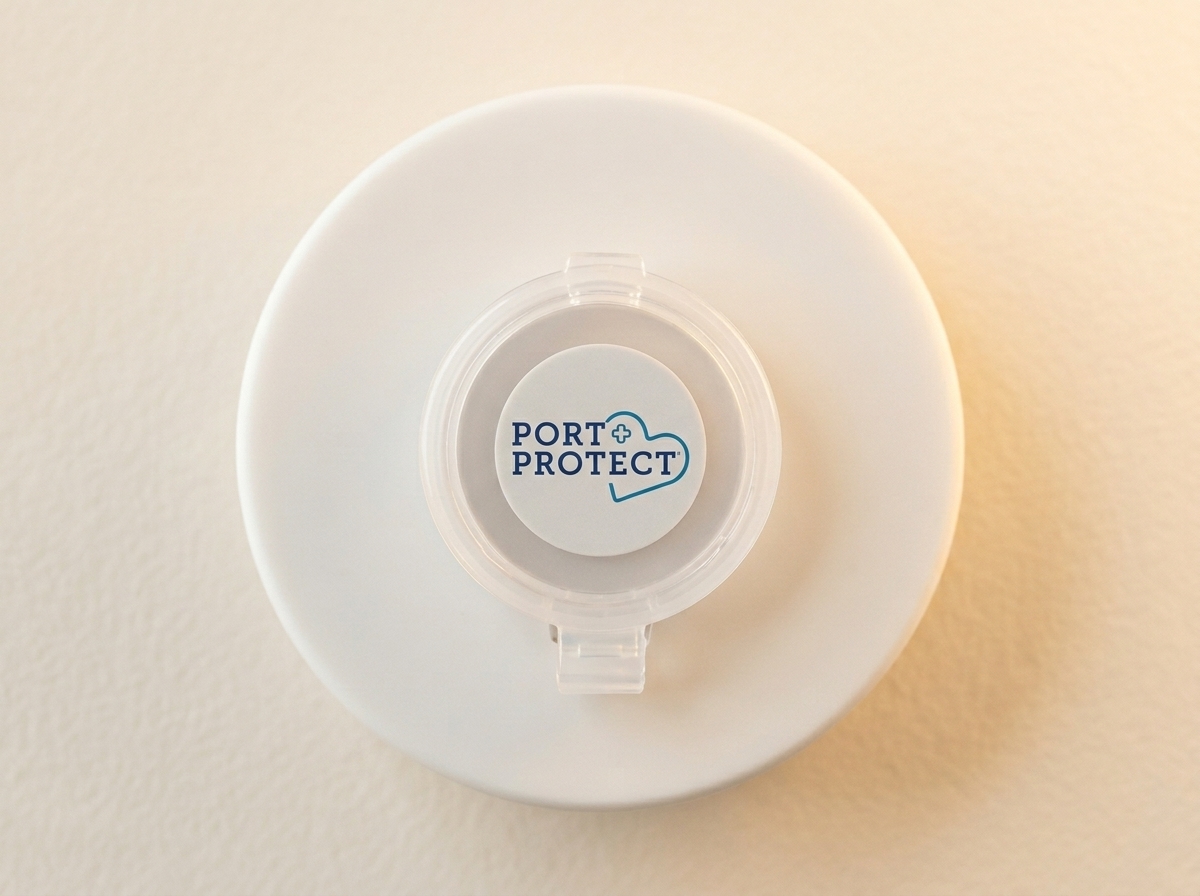
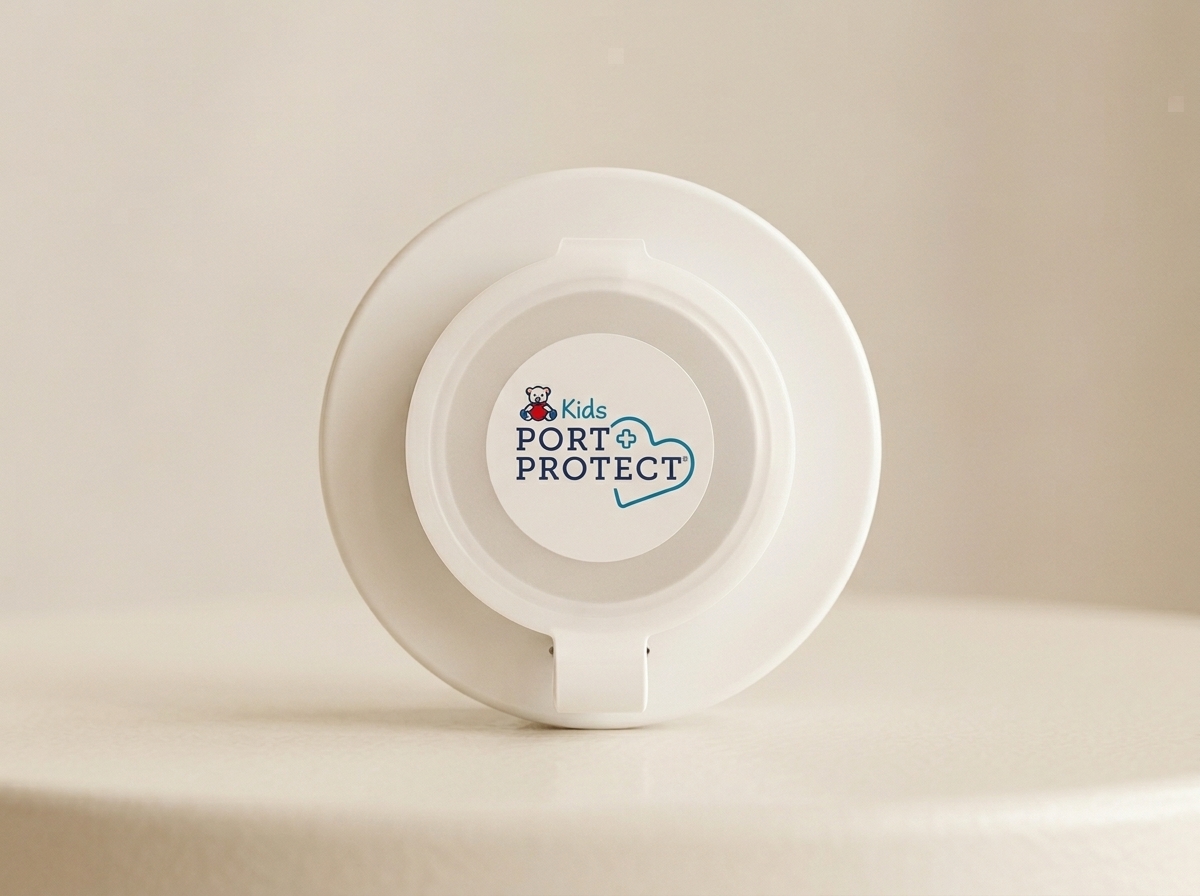
A chest port (also called a portacath, implanted port, or subcutaneous port) is a small medical device placed beneath the skin, usually on the upper chest near the collarbone. It consists of a small reservoir connected to a thin catheter that leads to a large vein near the heart. Chest ports provide reliable, long-term access to the bloodstream for medications, infusions, and blood draws.
A chest port is needed when a patient requires repeated access to their bloodstream over an extended period. Common reasons include chemotherapy for cancer, regular IV infusions for autoimmune diseases, kidney dialysis, long-term antibiotic therapy, parenteral nutrition, and frequent blood draws. A port eliminates the need to find a new vein for each needle stick.
Port placement is a relatively quick outpatient surgical procedure performed under local or light sedation anesthesia. Most patients experience some soreness at the incision site for several days after surgery, which typically resolves within a week. The port itself generally does not cause ongoing pain once the incision has healed.
Port access involves a nurse inserting a non-coring Huber needle through the skin and into the port’s septum. Most patients describe it as a pinch, sharp sting, or pressure. The sensation varies from person to person and can become more uncomfortable over time as scar tissue develops. Applying numbing cream with Port Protect before access significantly reduces the pain.
A chest port can remain implanted for as long as the patient needs it—often months or years. The device is made from durable, biocompatible materials designed for long-term use. When treatment is complete and the port is no longer needed, it is removed in a short outpatient procedure under local anesthesia.
Yes. Once the incision site has fully healed (usually 5–7 days after placement), you can shower normally and return to most regular activities. The port is entirely beneath the skin and does not require daily bandaging when not in use. However, high-impact contact sports and activities that could cause a direct blow to the chest should be avoided.
The most effective method is applying a topical numbing cream (lidocaine or lidocaine-prilocaine) over the port 30 to 60 minutes before your appointment. Using Port Protect to hold the cream in place ensures it stays over the port during transit and daily activity. This results in consistent numbing at the time of needle insertion.