
If you have a chest port, you already know: the needle can hurt when it is accessed prior to infusion. Maybe not every time, and maybe not the same for everyone; but for many of us, port access is the part of treatment we dread most. You’re not imagining it, and you’re definitely not alone.

A chest port (sometimes called a portacath, Power Port, or implanted port) is a small device placed just under the skin, usually on the upper chest, that makes it easier and more comfortable for patients to receive medications, fluids, and treatments over time. When accessed, a nurse places a needle through the skin into the center of the port.
It’s completely normal to feel nervous about this part. You may feel a quick pinch, and over time the area can become a bit more sensitive because of scar tissue. If your port is accessed regularly, those moments can feel stressful; but you’re not alone in feeling that way.
Children often find port access especially frightening. Parents describe holding their child down while nurses attempt access; a traumatic experience for everyone involved. Adults aren’t immune either. Many patients report that the anticipation of the needle is just as difficult as the needle itself.

So what can you do about it? The most widely recommended approach is a topical numbing cream; usually lidocaine or a lidocaine-prilocaine combination like EMLA. Applied 30–60 minutes before your appointment, these creams can significantly reduce the sensation of the needle. The problem isn’t the cream itself. It’s keeping it in place.
For years, the standard method has been to apply a concentrated amount of numbing cream on the port, cover it with plastic wrap, and hope for the best. If you’ve tried this, you know how it goes:

Cream escapes the wrap before it has time to work
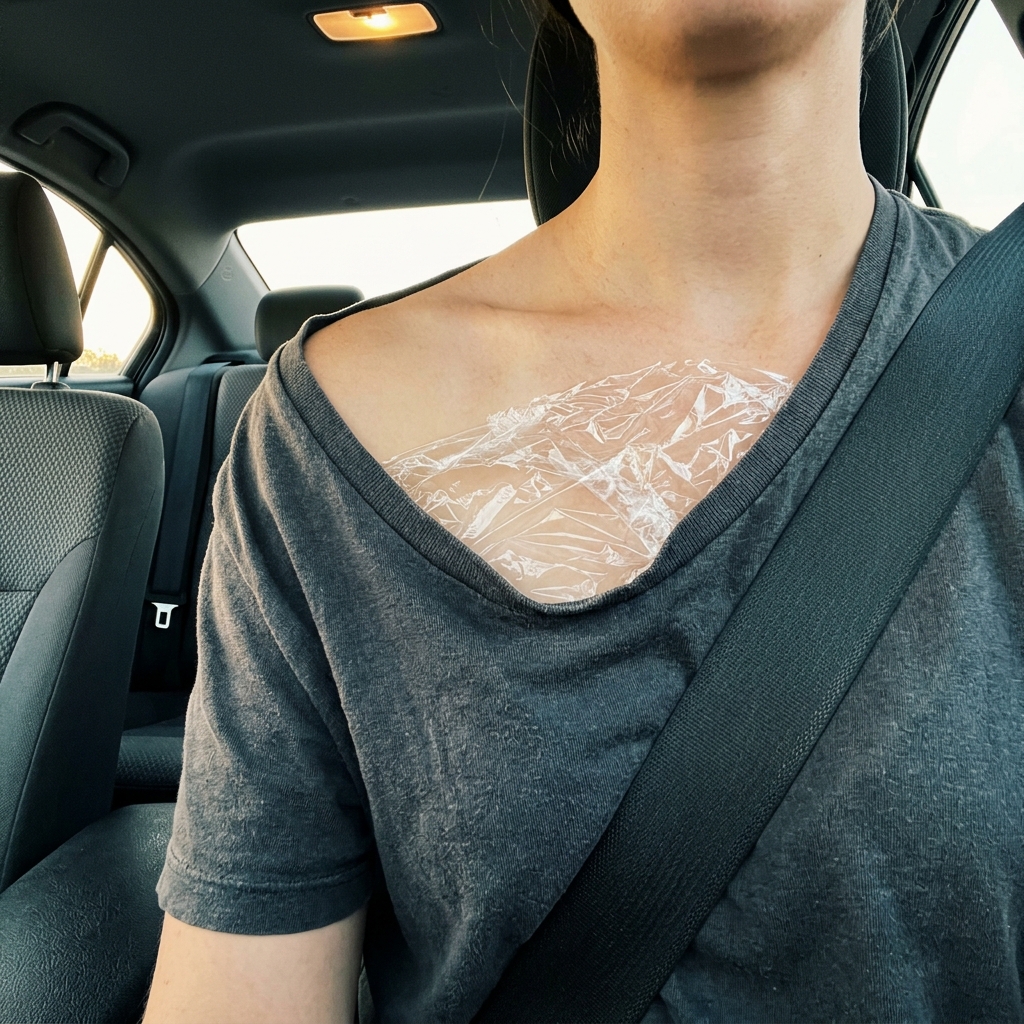
Movement dislodges the wrap before you even arrive

Cream migrates off the port site and onto fabric
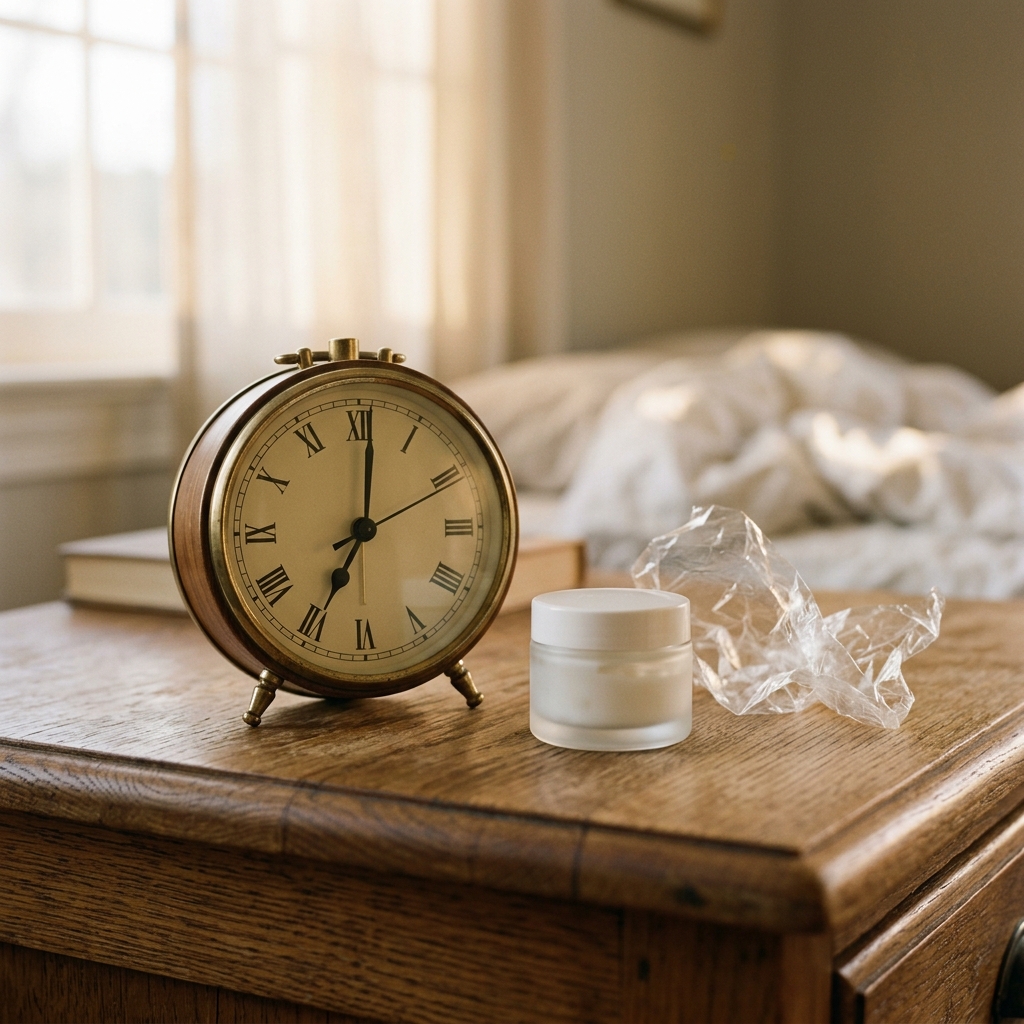
Without a seal, cream can’t maintain the 30–60 min contact time needed

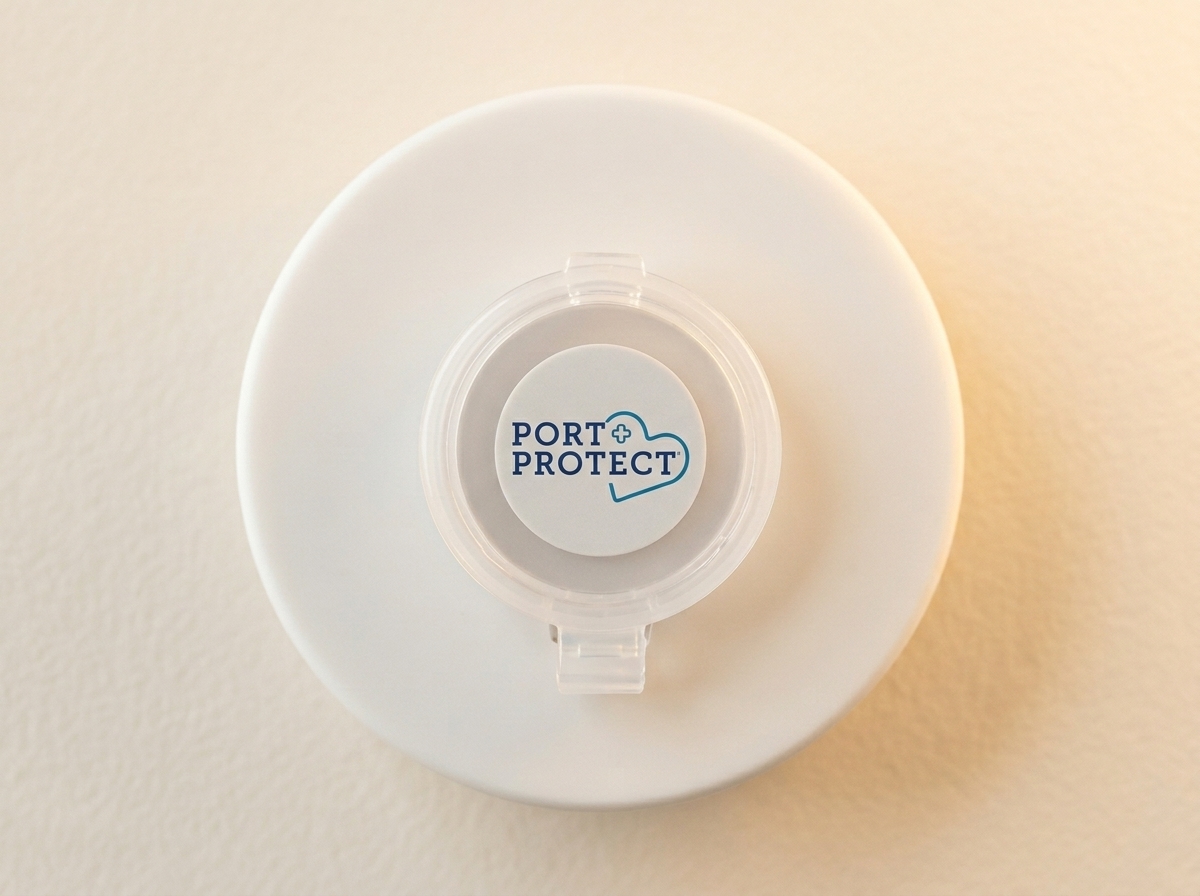
That’s exactly why Port Protect was created. Designed by a patient who lived through every one of these frustrations, Port Protect is a patented, medical-grade device that holds numbing cream securely in place directly over your chest port. No plastic wrap, no leaking, no uncertainty. You peel, apply, add your cream, close the lid, and go. When you arrive for your appointment, the cream is exactly where it should be; and so is the relief.
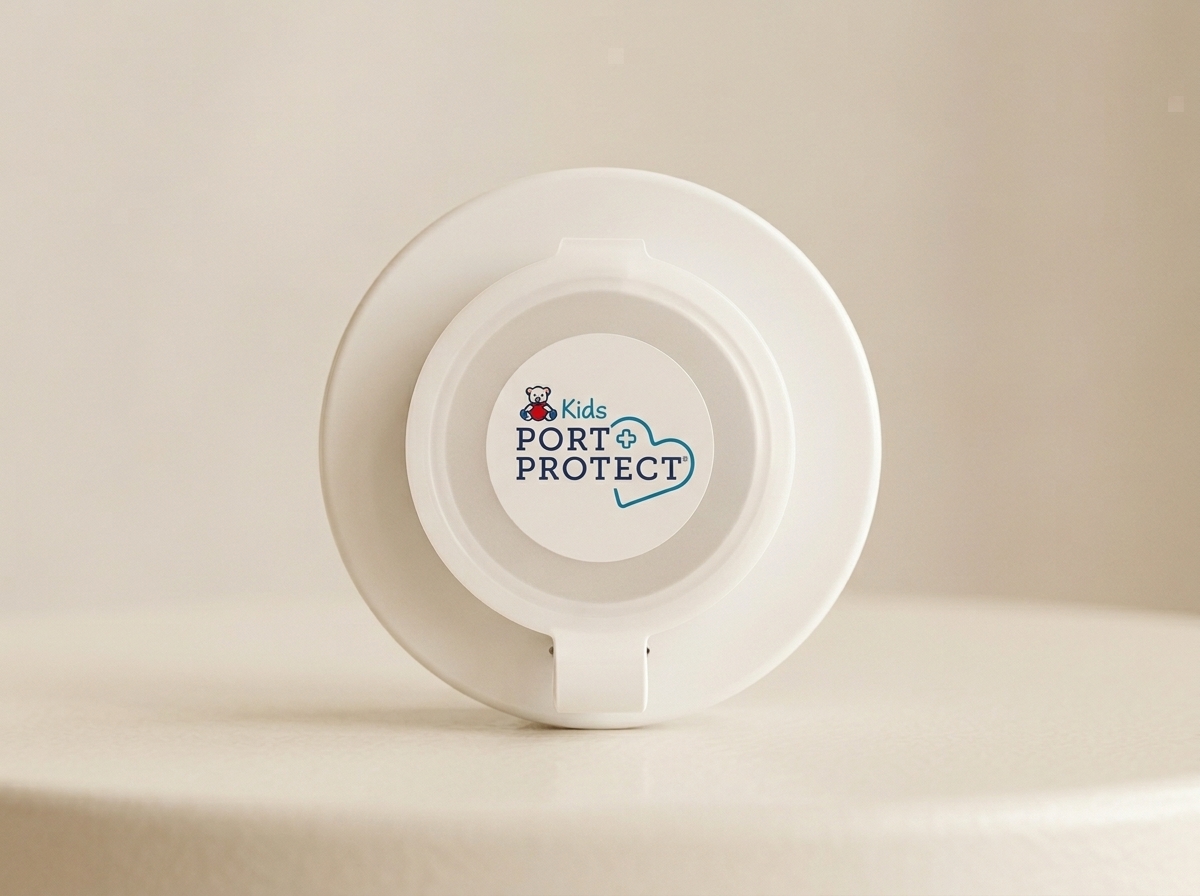
Because it’s made with hypoallergenic, medical-grade materials and manufactured in a certified clean room, Port Protect is gentle enough for the most sensitive skin. It’s available in both adult and children’s sizes, because everyone deserves a better way to prepare for treatment.

3.5″ size: manage your own prep with confidence at home before every appointment

2.7″ pediatric size: reduced adhesive, sized for smaller and more sensitive skin

Simple enough for anyone to apply. No training required, no guesswork

Start with a method that works from day one. No months of plastic wrap frustration first
Nice product. Worked well. Way better than plastic on my chest.
Service was excellent! It has made my treatments and port access so much easier — even for the nurses. Thank you!
The quality is *chef’s kiss*. I have fallen in love with this product — it helps so much beforehand. The customer service was phenomenal. I’ll definitely be buying again.
All the nurses rave about this thing. It’s super neat and very helpful when applying lidocaine.
Every nurse was so impressed with the Port Protect, and it made life easier when it was needed most!
This made my first port access go amazingly! I didn’t feel a thing, and I wasn’t covered with cream everywhere other than where I needed it to be. I’m *super* sensitive to adhesives and was really worried about this, but my skin didn’t react at all. Amazing purchase.
You can’t take away the diagnosis. But you can take away some of the pain.
Port Protect is available in adult (3.5″) and children’s (2.7″) sizes. Sold in 5-packs and 10-packs.
Port access hurts because a non-coring needle must pierce the skin and pass through tissue to reach the port’s silicone septum beneath the surface. Over time, scar tissue builds up at the insertion site from repeated access, making the tissue thicker and harder to penetrate. This can make port access progressively more painful with each treatment cycle.
The most common method is applying a topical numbing cream containing lidocaine or a lidocaine-prilocaine combination (such as EMLA) directly over the port 30 to 60 minutes before your appointment. The cream numbs the skin and underlying tissue, significantly reducing the pain of needle insertion. Using Port Protect to hold the cream in place ensures it stays over the port and works effectively.
Yes. Topical numbing creams containing lidocaine are clinically recommended for reducing pain during port access. However, the cream must remain in direct contact with the skin over the port for 30 to 60 minutes to reach full effect. If the cream shifts, leaks, or is absorbed by clothing, it will not numb adequately. Port Protect is designed to keep the cream sealed in place.
Port Protect is the best way to keep numbing cream on a chest port. It is a patented, medical-grade adhesive device that creates a sealed reservoir over the port, holding cream in place without leaking or shifting. It replaces plastic wrap, which does not adhere to skin and frequently allows cream to migrate off the port site during transit.
Yes. Port Protect is compatible with any topical numbing cream, including prescription lidocaine-prilocaine formulations like EMLA and over-the-counter lidocaine creams. The device holds the cream in place regardless of brand or formulation. Numbing cream is sold separately and may require a prescription from your doctor.
Plastic wrap does not adhere to skin, cannot form a seal around the port area, and shifts easily during movement. Seatbelts, clothing, and bra straps commonly displace plastic wrap during the drive to an appointment, causing the numbing cream to leak, spread to clothing, or migrate away from the port site. This results in inadequate numbing at the time of access.
For many patients, yes. Repeated needle insertion in the same location causes scar tissue to build up, making the skin and tissue above the port thicker, tougher, and less responsive to topical numbing cream. This is why consistent, reliable numbing preparation becomes increasingly important the longer you have your port.